The Enduring Legacy: A History of the Egyptian Pyramids
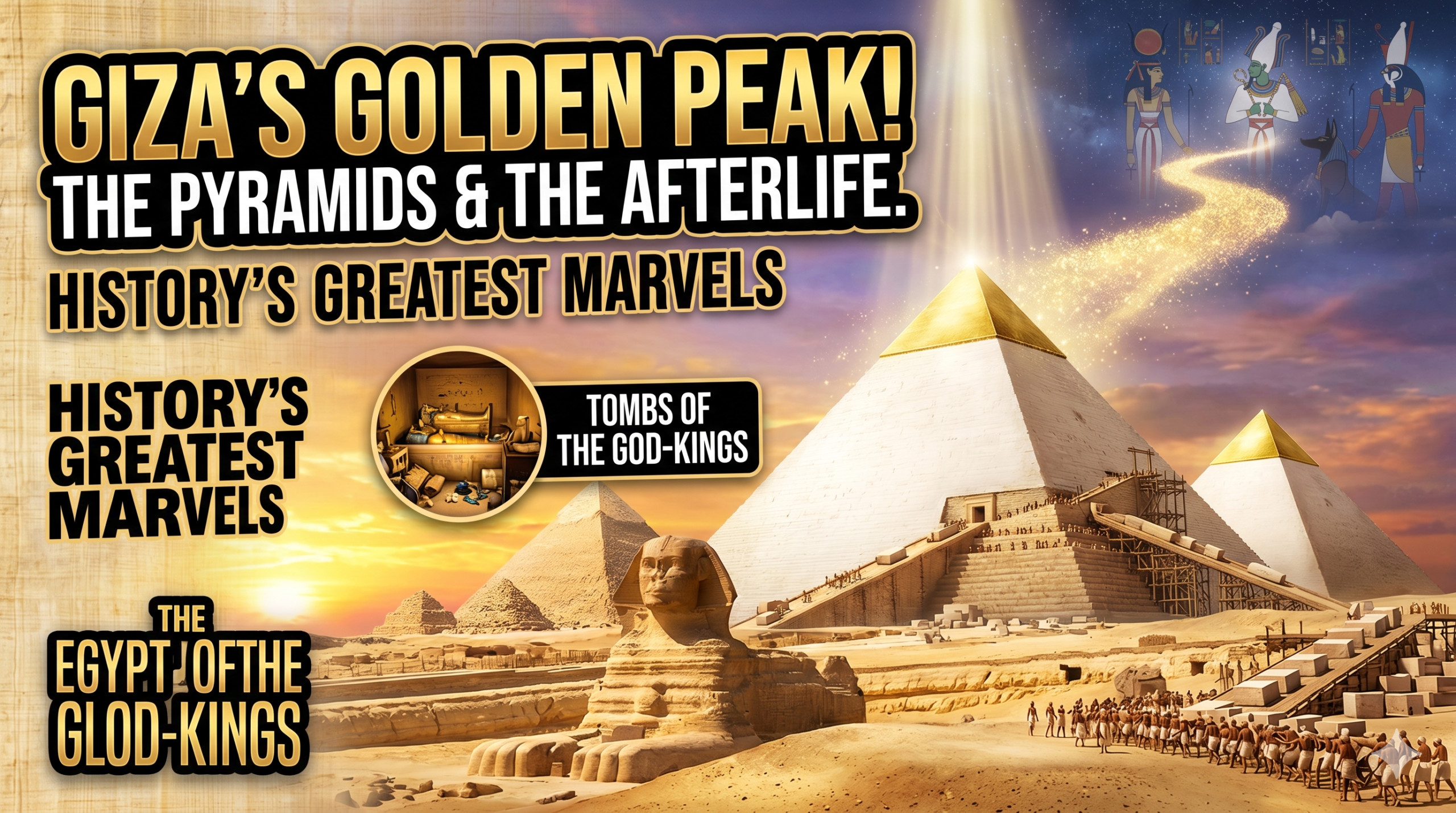
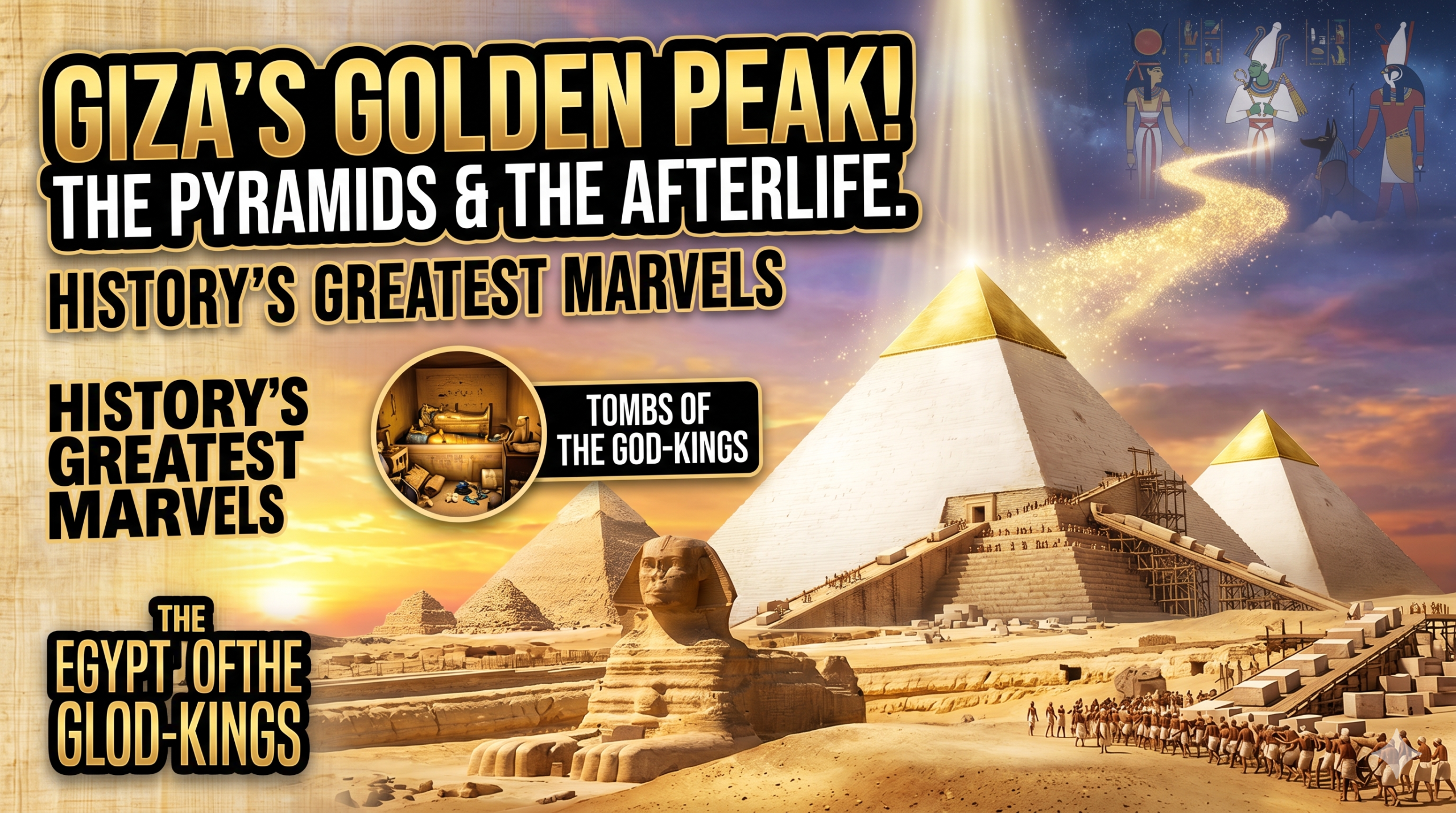
The Egyptian pyramids are among the most iconic and mysterious architectural marvels in human history. Standing tall against the desert skyline for over 4,500 years, these monumental structures continue to captivate historians, archaeologists, and travelers from around the globe.
The Origins: From Mastabas to the Step Pyramid
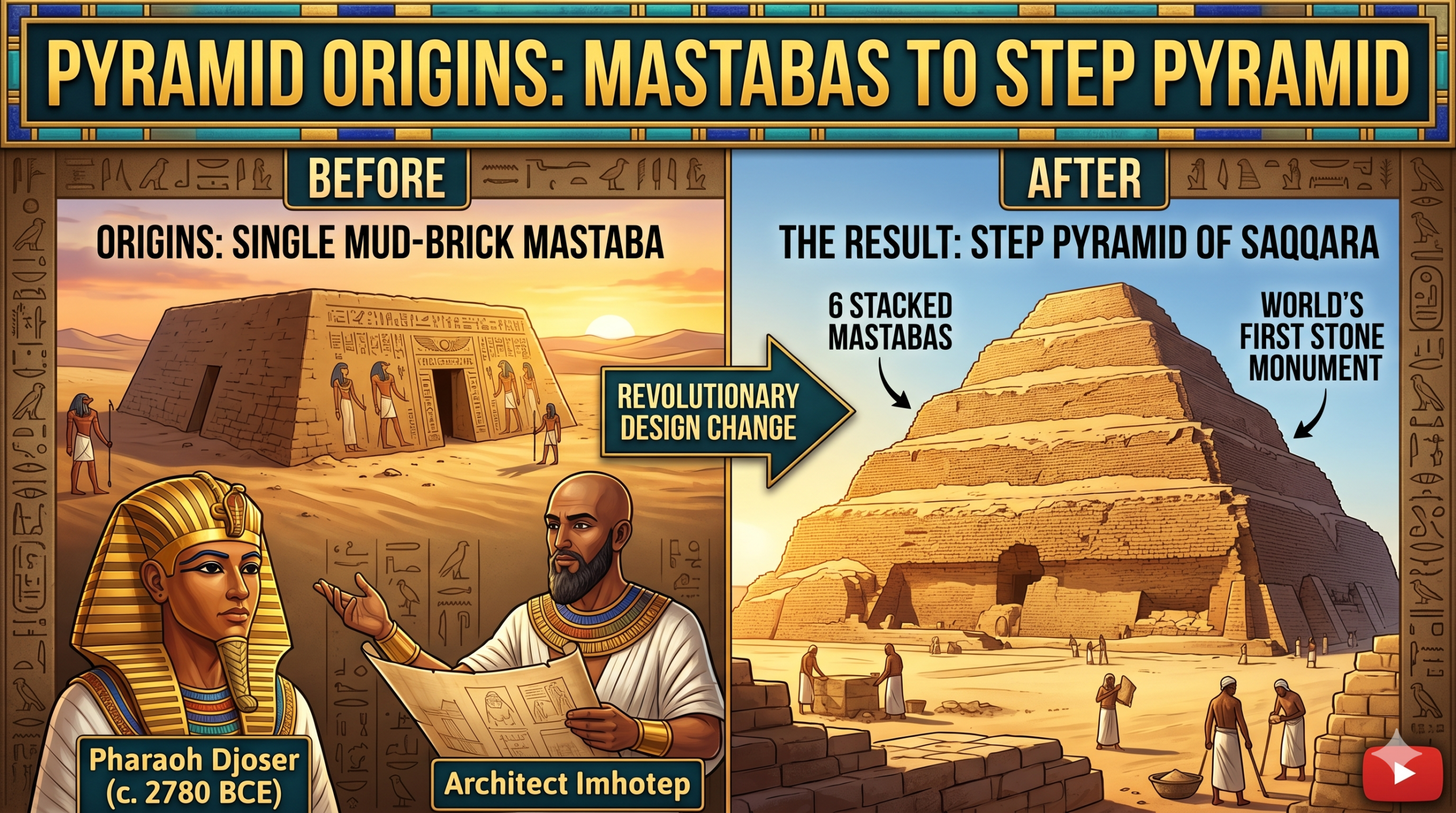
Before the construction of the massive, smooth-sided pyramids we know today, early Egyptian kings were buried in rectangular brick structures known as mastabas.
The evolution from mastaba to pyramid began around 2780 BCE during the reign of Pharaoh Djoser. His chief architect, Imhotep, designed a revolutionary tomb by stacking six mastabas of decreasing size on top of one another. The result was the Step Pyramid of Saqqara, recognized as the world’s first large-scale stone monument.
The Golden Age of Giza
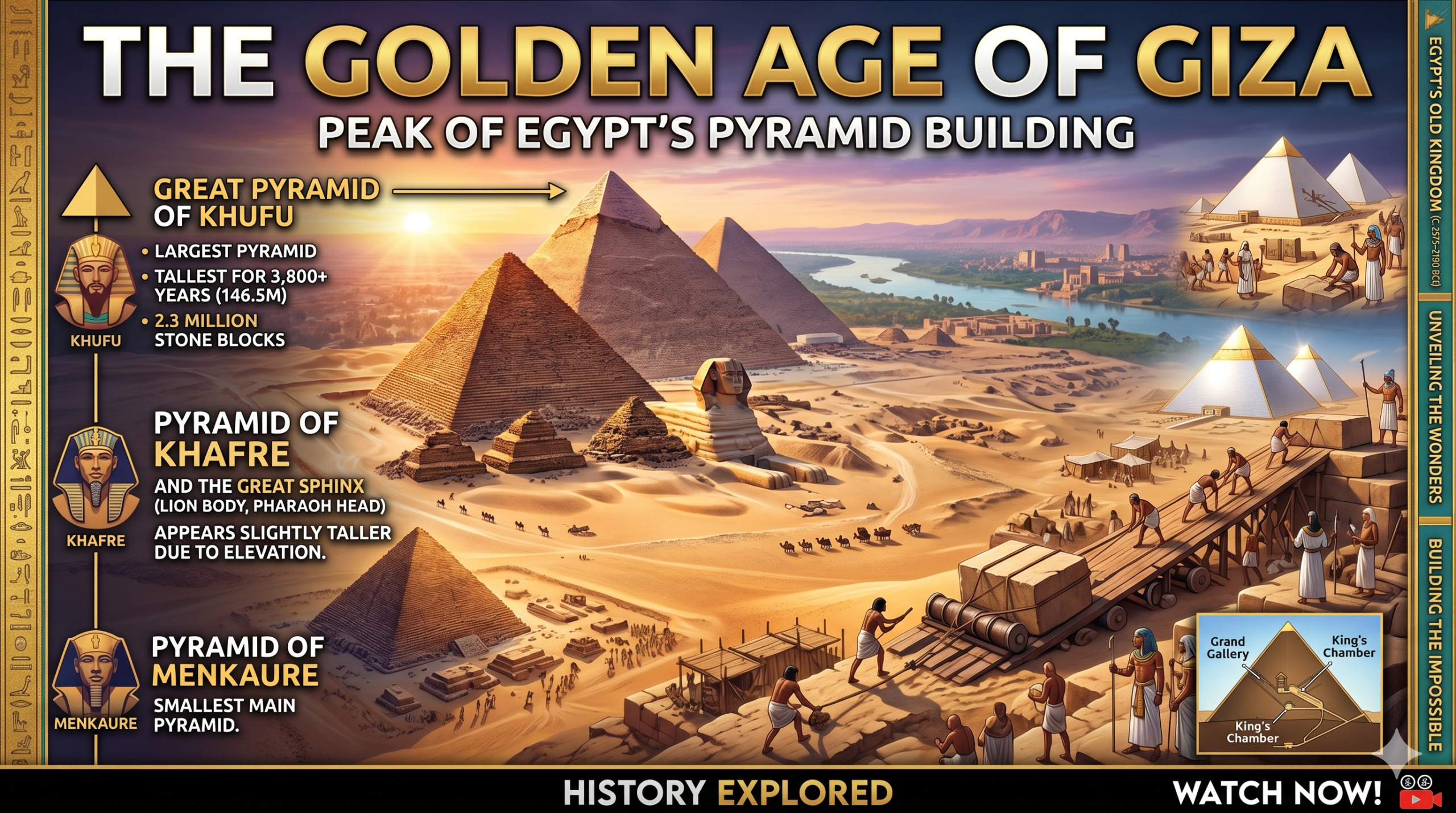
The peak of pyramid building occurred during Egypt’s Old Kingdom (c. 2575–2150 BCE), specifically on the west bank of the Nile River at Giza. The Giza Necropolis is home to the three most famous pyramids:
-
The Great Pyramid of Khufu: Built around 2580 BCE for Pharaoh Khufu, this is the largest of all Egyptian pyramids. It originally stood at 146.5 meters (481 feet) tall and remained the tallest man-made structure in the world for over 3,800 years. It is composed of an estimated 2.3 million stone blocks.
-
The Pyramid of Khafre: Built for Khufu’s son, Khafre, this pyramid appears slightly taller than the Great Pyramid because it was built on higher elevation. The complex also features the famous Great Sphinx, a massive limestone statue with the body of a lion and the head of a pharaoh.
-
The Pyramid of Menkaure: The smallest of the three main Giza pyramids, built for Khafre’s successor, Menkaure.
Purpose and Beliefs
To the ancient Egyptians, a pharaoh was an earthly manifestation of the gods. When a pharaoh died, they believed his spirit would travel to the afterlife to join the gods.
The pyramids were built as massive, heavily fortified tombs designed to protect the pharaoh’s mummified body and his belongings. Inside, the tombs were filled with treasures, furniture, food, and everything the ruler would need to sustain himself in the eternal afterlife. The shape of the pyramid itself is believed to represent the descending rays of the sun, helping the king’s soul ascend to the heavens.
Engineering and Construction
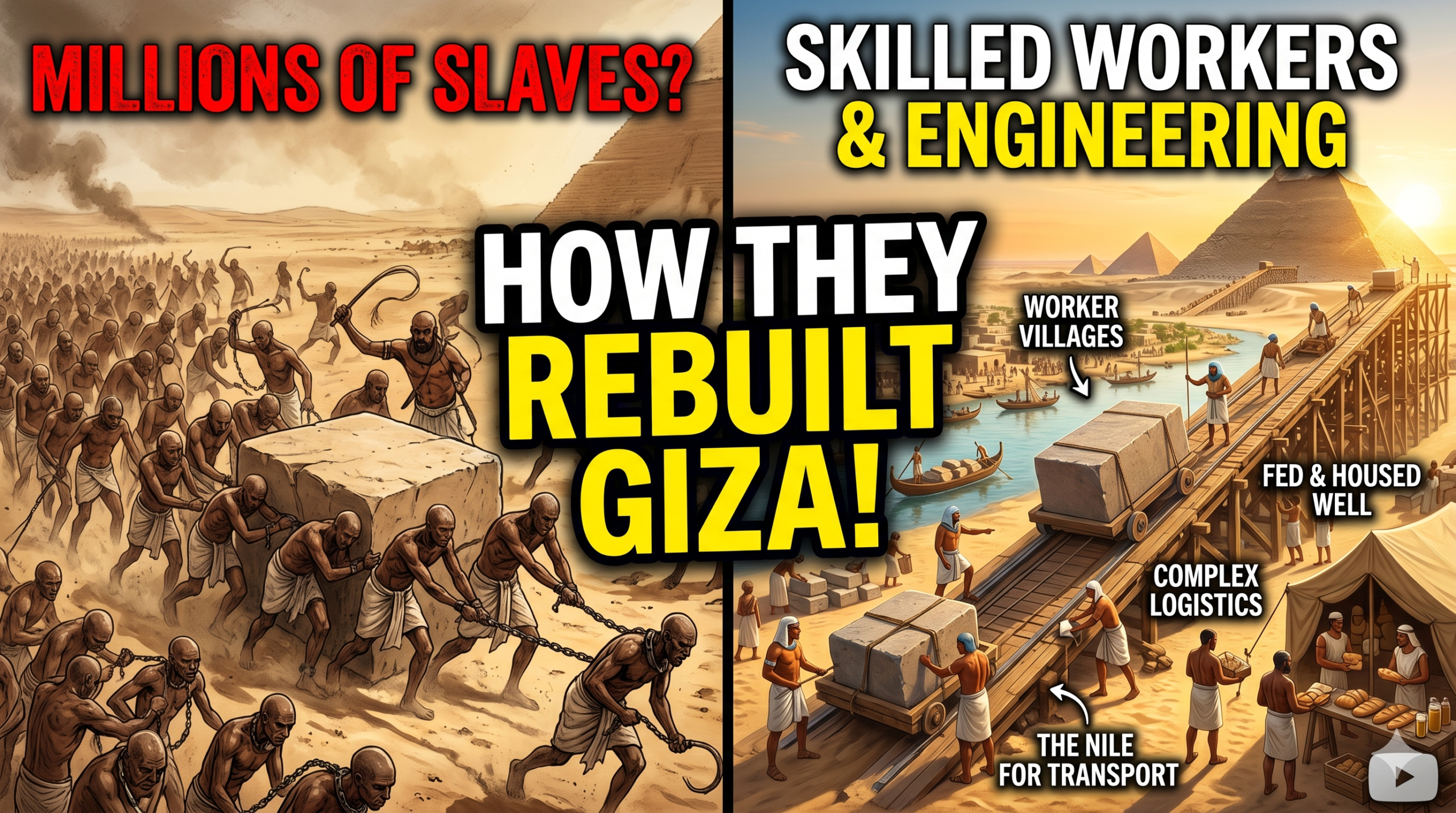
For centuries, a popular misconception was that the pyramids were built by millions of slaves. However, modern archaeological discoveries reveal a different story.
The pyramids were constructed by a well-organized workforce of tens of thousands of skilled laborers, craftsmen, and farmers. These workers were employed during the season when the Nile River flooded their fields, making farming impossible. They were housed in temporary cities near the construction site, fed well, and received proper medical care. The massive limestone and granite blocks were cut from quarries and transported using sledges, ramps, and the river.

A Lasting Wonder
Of the original Seven Wonders of the Ancient World, the Great Pyramid of Giza is the only one that remains largely intact today. Although the smooth white limestone casings that once made the pyramids gleam in the sun have been lost to time and erosion, the structures still stand as a powerful testament to the ingenuity, organization, and religious devotion of ancient Egypt.